
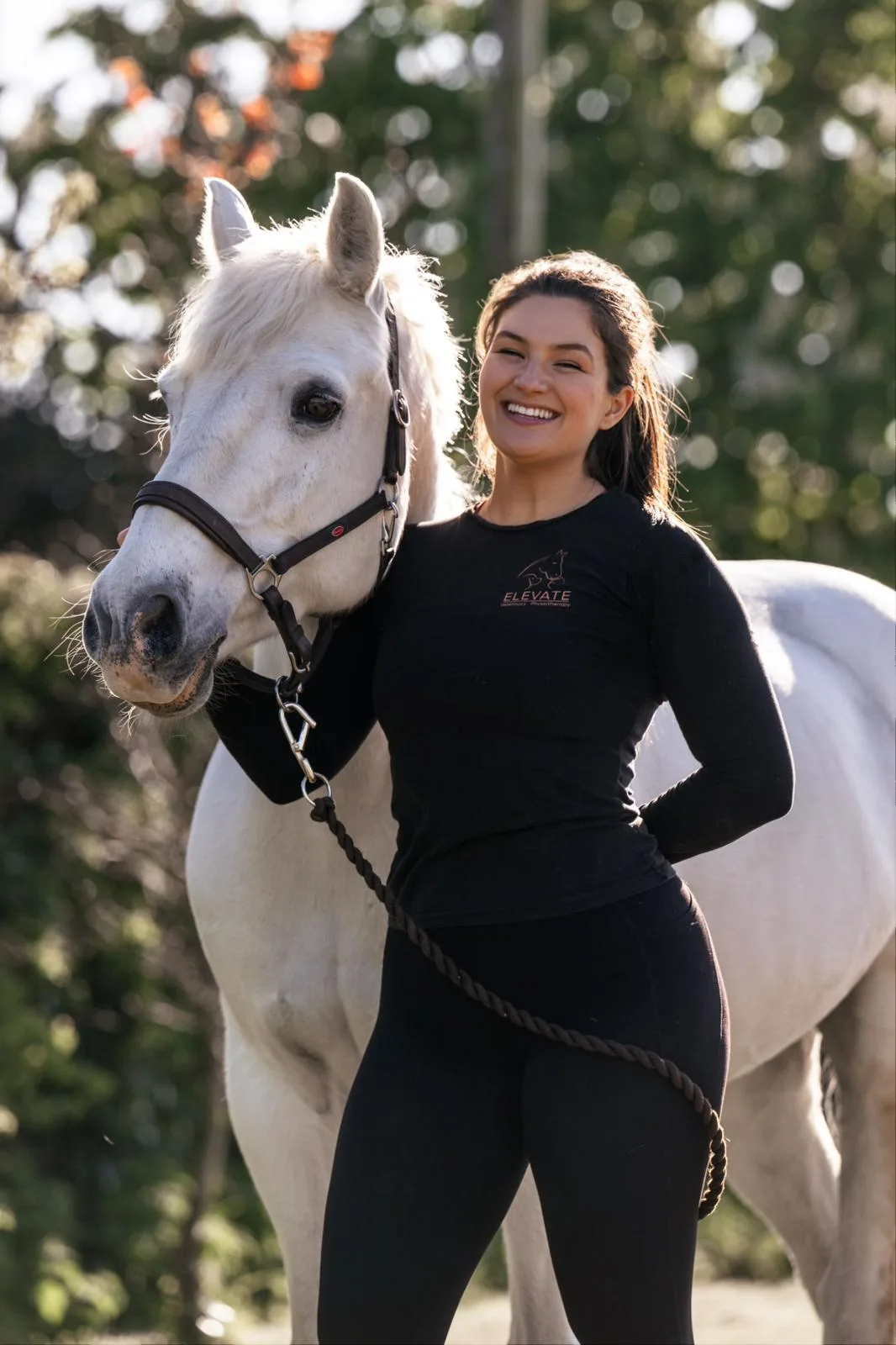
Physiotherapy for
Your Horse
Supporting horses to move better — whether they are recovering from injury, managing pain, or improving performance and general wellbeing. From Canterbury across Kent (UK).
When Should You Consider Physiotherapy?
If your horse is showing any of these signs, physiotherapy could help identify the cause and get them back on track.
Movement & Performance
4Stiffness or Reluctance to Move
Difficulty bending, shortened stride length, or unwillingness to go forward freely.
Reduced Performance
Loss of impulsion, decreased athleticism, or inability to work at previous levels.
Asymmetry in Gait
Uneven movement patterns, irregular stride, or visible lameness on one side.
Reluctance to Flex or Work on One Rein
Difficulty bending left or right, resistance to lateral work, or head tilting.
Behavioural Signs
2Napping, Bucking, or Head Tossing
Often signs of underlying pain rather than disobedience — physiotherapy can identify the root cause.
Changes in Ridden Behaviour
Sudden reluctance to be tacked up, refusing jumps, or resisting previously easy exercises.
Recovery & Maintenance
3Post-Surgical Rehabilitation
Structured recovery programmes following surgery to restore strength and range of motion.
Muscle Wastage or Uneven Development
Visible asymmetry in muscle bulk, often indicating compensatory movement patterns.
Pre/Post-Competition Maintenance
Optimise performance before events and support recovery after demanding work.
“If something doesn't feel right with your horse, there's usually a reason — and we can help find it.”
How Physiotherapy Helps Your Horse
Our equine physiotherapy service provides comprehensive assessment and treatment for horses of all disciplines. Whether your horse is a top-level competition athlete, a happy hacker, or a retired companion, we use advanced techniques to identify and address movement issues, pain, and reduced performance. Every treatment plan is tailored to your horse's specific needs and goals.
Treatment Modalities
Manual Therapy
Soft tissue mobilisation, myofascial release, and joint mobilisations to restore comfort and range of motion.
Electrotherapy
Therapeutic ultrasound, TENS, and NMES modalities to accelerate healing and manage pain.
Exercise Rehabilitation
Targeted strengthening, proprioceptive training, and ridden/in-hand exercises tailored to your horse.
Gait Analysis
Detailed assessment of movement patterns to identify asymmetries and track progress through treatment.
Ozone Therapy
Targeted ozone therapy to support tissue healing, reduce inflammation, and complement manual treatment protocols.
Common Questions
Do I need a veterinary referral before booking?
Yes — if your horse has a formal diagnosis or lameness, then under the Veterinary Surgeons Act 1966, physiotherapy treatment must be carried out under the direction of a veterinary surgeon. Your vet needs to provide a referral before we can begin. If you don't have one yet, we can guide you through the process.
How long does a session last?
Sessions are 60 minutes for both initial and follow-up sessions, including a full history review, observation, palpation, gait analysis & treatment.
Where do sessions take place?
Elena travels to your yard or livery across Canterbury and Kent. Your horse is assessed and treated in their own environment, which is less stressful and allows Elena to observe them in their normal setting.
What should I prepare before a visit?
Please have your horse dry, clean, and stood on a flat surface ready for assessment. Have their recent veterinary history to hand if possible, and let Elena know about any changes since the referral was made.
How many sessions will my horse need?
It depends on the condition. Some horses improve significantly after 2–3 sessions, while chronic or post-surgical cases may benefit from a longer programme. Elena will discuss a realistic treatment plan after the initial assessment.
Let's Have a Chat
If your horse isn't moving right, seems uncomfortable, or you just want a professional opinion — drop Elena a message and we'll go from there.