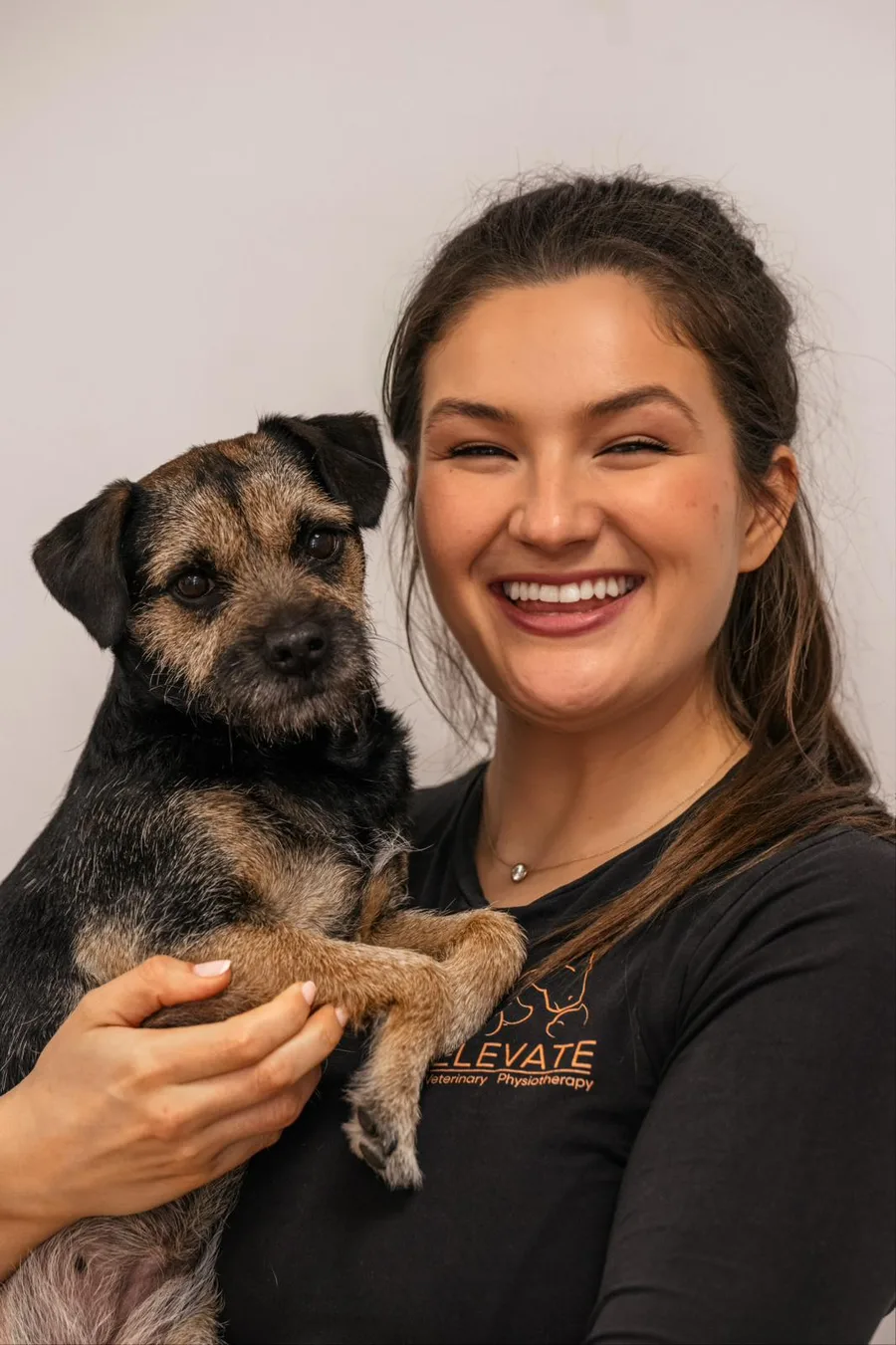
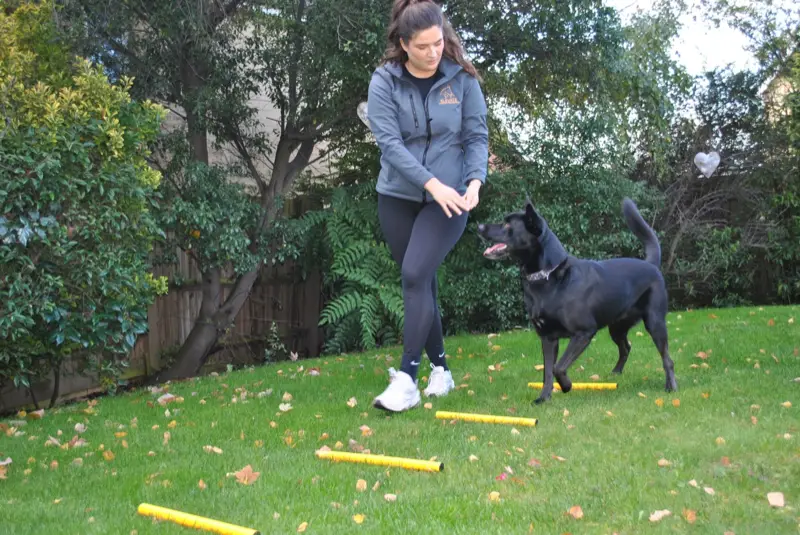
Dog post-surgery rehabilitation is one of the most impactful things you can do for your animal’s long-term recovery. Whether your dog has undergone orthopaedic surgery, spinal surgery, or a procedure for a soft tissue injury, the weeks that follow are critical. At Elevate Veterinary Physiotherapy, Elena frequently supports dogs through these recovery journeys across Kent — and carers often say they wish they had started sooner.
Key Takeaway
The first six weeks after surgery are the most important window for rehabilitation. Starting physiotherapy early — ideally within the first two weeks — leads to better long-term outcomes and a faster return to normal activity.
The Early Stages: Weeks 0–2
In the first two weeks after surgery, the priority is protecting the surgical site and managing inflammation. Your vet will provide strict rest instructions, and physiotherapy during this phase is typically gentle — focused on passive range of motion exercises, soft tissue massage to reduce muscle wastage, and education for carers on supported movement and home care.
The goal at this stage is not to push progress, but to lay the foundation for recovery without causing setbacks. Getting this phase right makes a significant difference to what comes next.
Active Recovery: Weeks 2–6
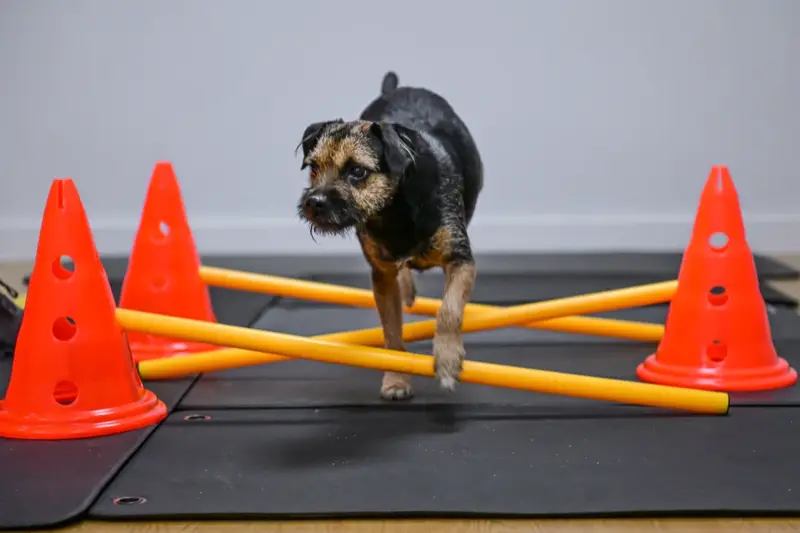
As initial healing progresses, physiotherapy can become more active. This is when targeted exercises begin — initially low-impact movements designed to encourage the dog to use the recovering limb correctly. Hydrotherapy can be particularly valuable during this phase, as water reduces load on joints while allowing meaningful muscle engagement.
This is also the phase where compensation patterns can develop if rehabilitation is not guided. A dog who favours one leg will often build tension and weakness elsewhere, making ongoing physio input important for a balanced recovery.
Return to Activity
Returning to normal activity too quickly is one of the most common causes of setbacks after surgery. Physiotherapy helps structure a gradual return to exercise — starting with short, controlled lead walks and building to off-lead activity only once the dog demonstrates adequate strength, coordination, and pain-free movement.
Each dog’s timeline is different. Breed, age, pre-surgery fitness, and the nature of the procedure all influence how quickly rehabilitation progresses. There is no single answer, which is why individual assessment matters.
What a Physiotherapy Session Involves
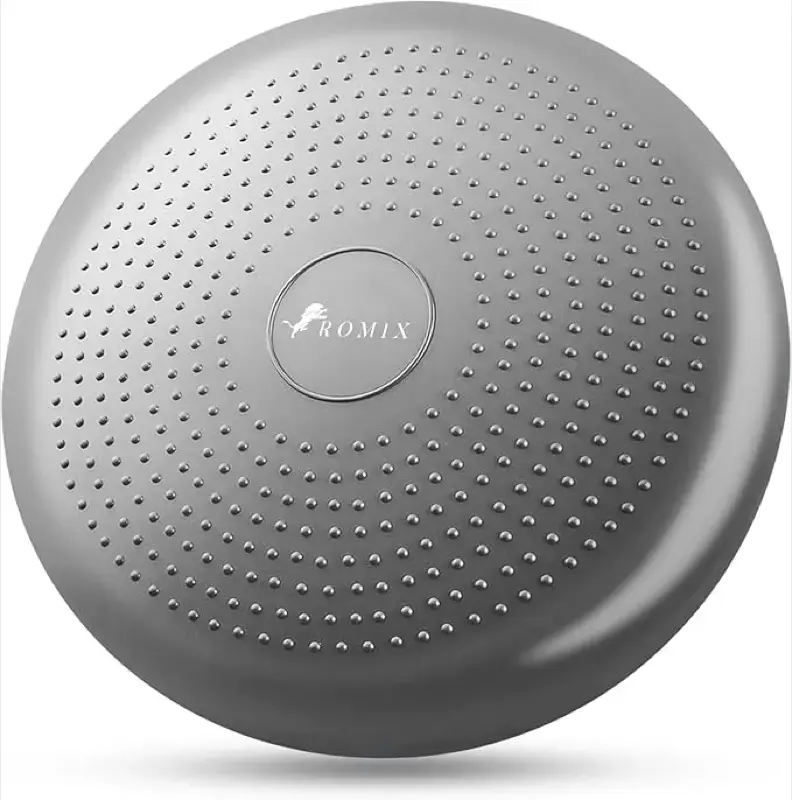
A typical session for a post-surgical dog includes a movement assessment, manual therapy (including soft tissue massage and joint mobilisation where appropriate), therapeutic exercises, and home exercise guidance. Sessions are always calm and positive — the dog’s comfort and confidence matter as much as their physical progress.
Carers are encouraged to stay, ask questions, and learn the home exercises so that progress continues between appointments. Learn more about our small animal physiotherapy services.
When to Seek Help
If your dog has had surgery and you notice any of the following, contact your vet or physiotherapist promptly: a sudden worsening of lameness, swelling at the surgical site, significant reluctance to bear weight, or a recovery that has stalled over several weeks.
Early identification of problems makes them far easier to address. Waiting to see if things improve on their own can allow issues to become more entrenched. If you have noticed signs your dog may need physiotherapy, do not wait to seek professional support.
If your dog is recovering from surgery in Kent, Elena would be glad to support them through rehabilitation. Get in touch to discuss their needs and find out how physiotherapy can help.