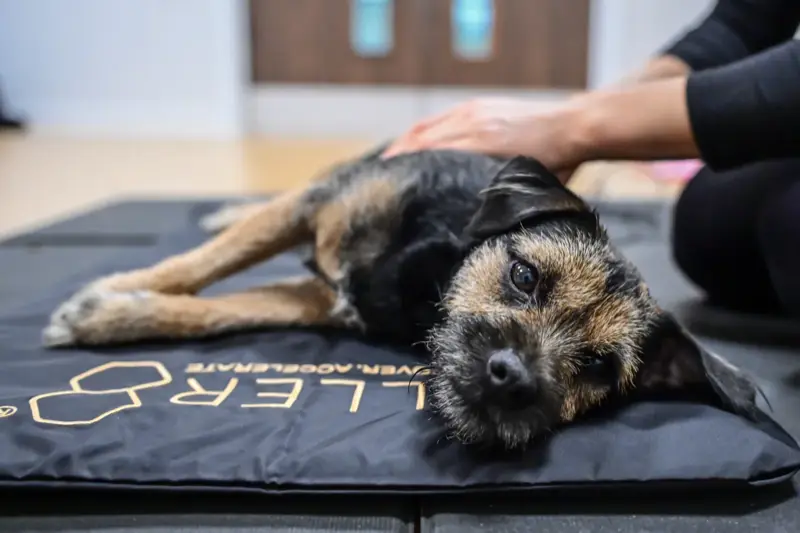
As a dog carer in Kent, knowing the signs your dog needs physiotherapy can make a real difference to their quality of life. Dogs are stoic creatures — they often hide discomfort until it becomes significant. Veterinary physiotherapy can help restore mobility, reduce pain, and support long-term wellbeing. Here are five signs that your dog could benefit from a professional assessment.
Key Takeaway
Dogs hide pain instinctively. By the time you notice a change in behaviour, the underlying issue may have been developing for weeks. Early physiotherapy assessment catches problems before they become entrenched.
1. Reluctance to Exercise or Play
If your normally energetic dog has started hanging back on walks, refusing to jump into the car, or showing less interest in playtime, it is worth investigating. While a quiet day is normal, a consistent change in activity levels — especially if accompanied by stiffness after rest — can point to underlying musculoskeletal discomfort.
A physiotherapy assessment helps identify whether the issue is joint, muscular, or neurological, and creates a targeted plan to get your dog moving comfortably again.
2. Difficulty Rising After Rest
Watch how your dog gets up after sleeping or lying down for a while. If they hesitate, take several attempts, or cry out when standing, this can indicate stiffness or pain around the hips, spine, or joints. This pattern is common in older dogs but can affect dogs of any age, particularly larger or more active breeds.
Physiotherapy can help improve joint mobility and muscle strength, making those first steps of the day more comfortable over time.
3. Changes in Gait or Posture
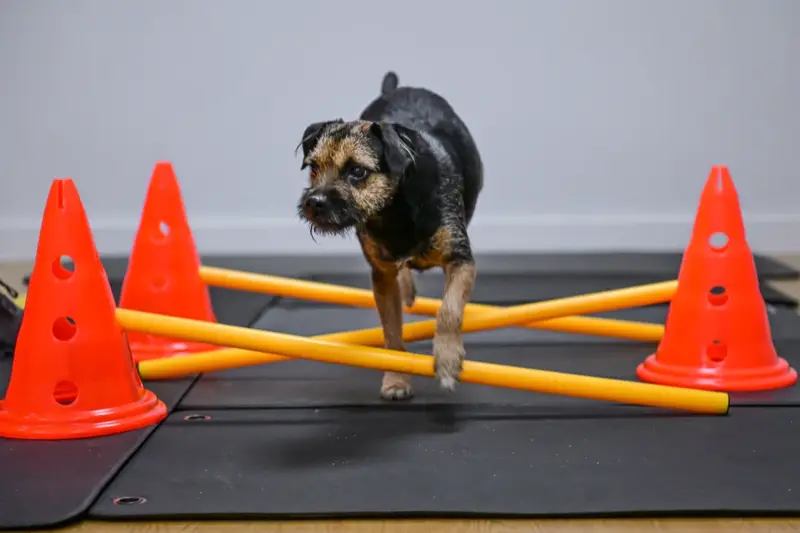
A subtle shift in how your dog moves — a slight head bob, an uneven stride, a tucked tail, or a hunched back — can signal a compensation pattern. Dogs naturally shift weight away from a painful area, which often creates secondary problems in other parts of the body if left unaddressed.
An experienced vet physiotherapist will assess movement patterns and address both the primary issue and any compensations that have developed alongside it.
4. Sensitivity to Touch Along the Spine or Limbs
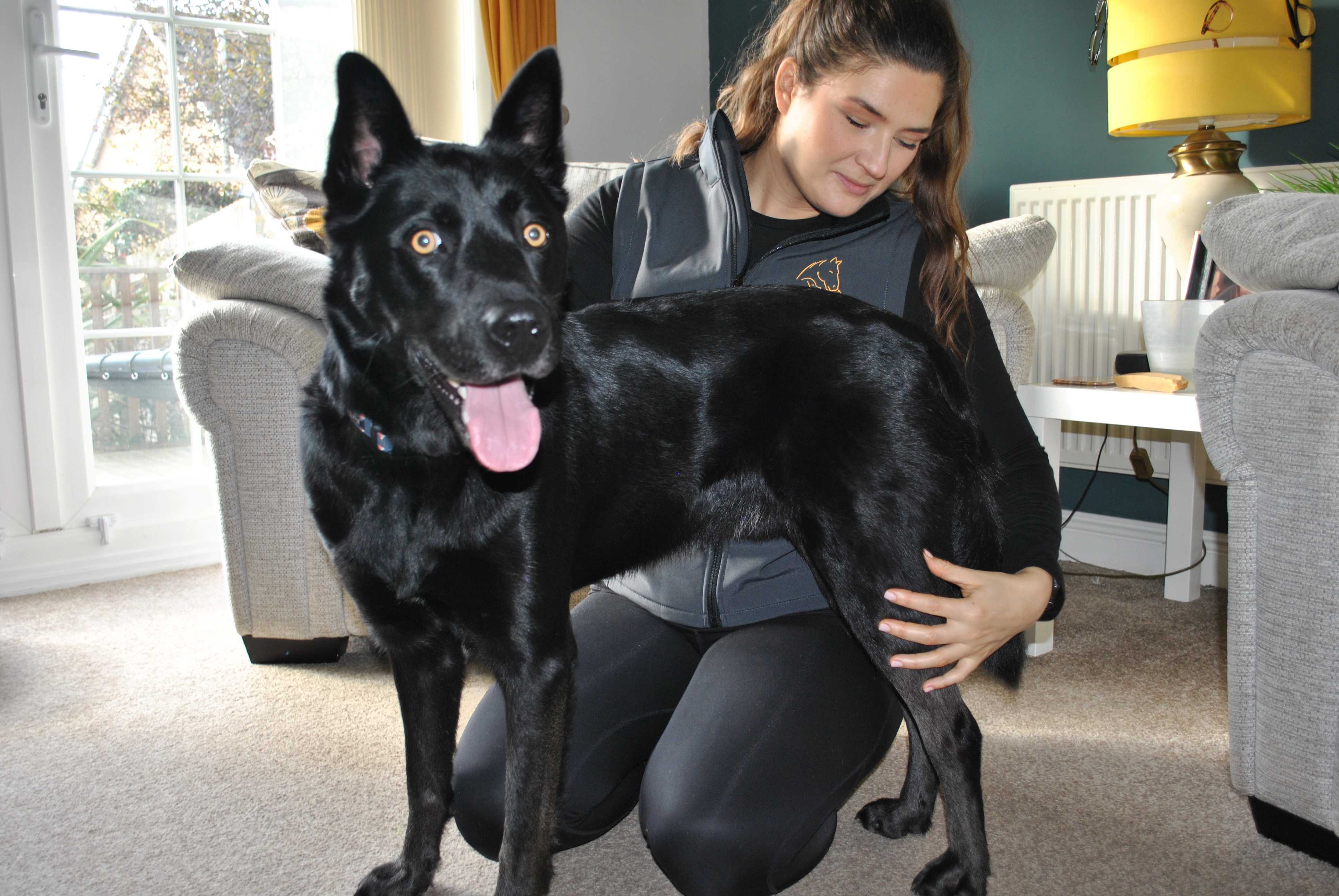
If your dog flinches, pulls away, or vocalises when you touch their back, hips, or legs, this is a clear sign that something needs attention. Sensitivity to touch can indicate muscle tension, joint inflammation, or nerve involvement. It is always worth having this assessed rather than waiting to see if it resolves on its own.
Early intervention tends to give the best outcomes and can prevent minor issues from becoming more complex problems.
5. Post-Surgery Recovery Plateau
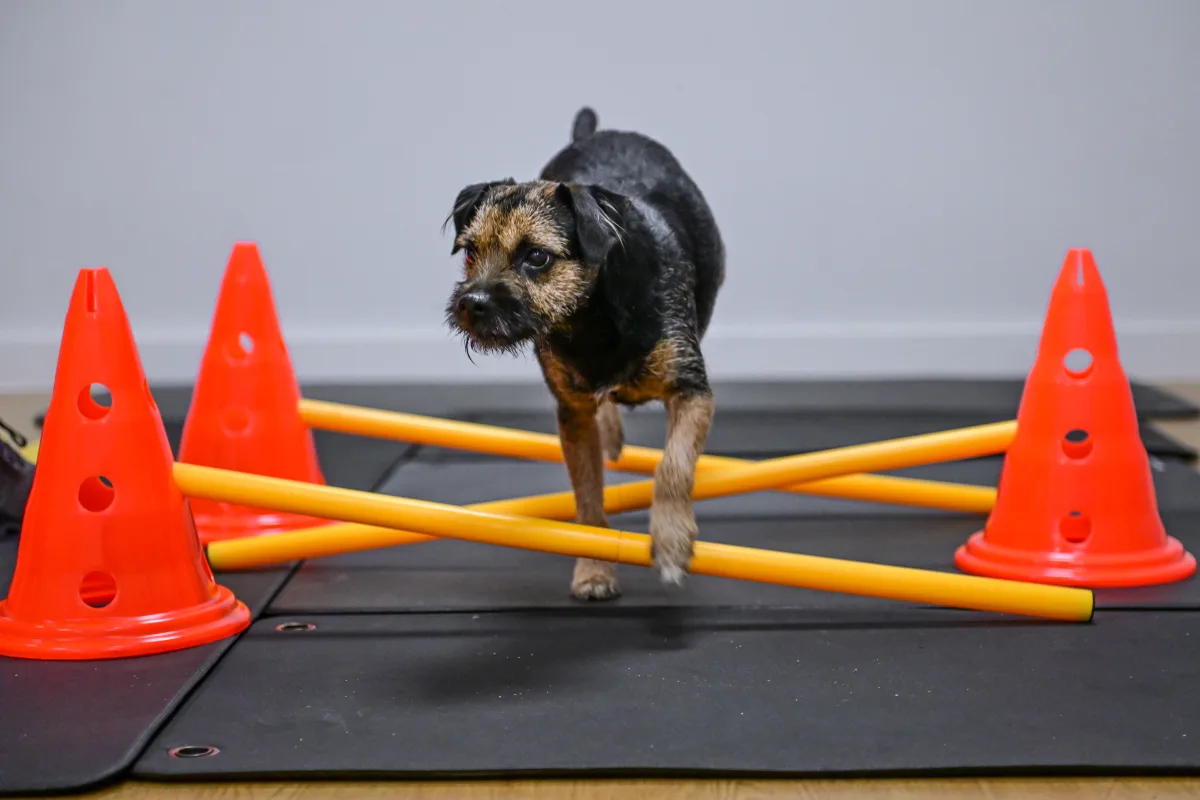
After orthopaedic surgery — such as for cruciate ligament repair or hip dysplasia — dogs often reach a point where progress seems to stall. Post-surgery rehabilitation plays a vital role in helping dogs build strength, regain full range of movement, and return to normal activity safely.
If your dog has had surgery and you feel their recovery has plateaued, a physiotherapy assessment can identify gaps and move rehabilitation forward with a structured, progressive plan.
Take the Next Step
If you have recognised any of these signs in your dog, early support tends to give the best results. Based in Kent, Elena offers thorough assessments and personalised treatment plans for dogs at every stage of life.
Get in touch to book an assessment and take the first step towards helping your dog feel their best.