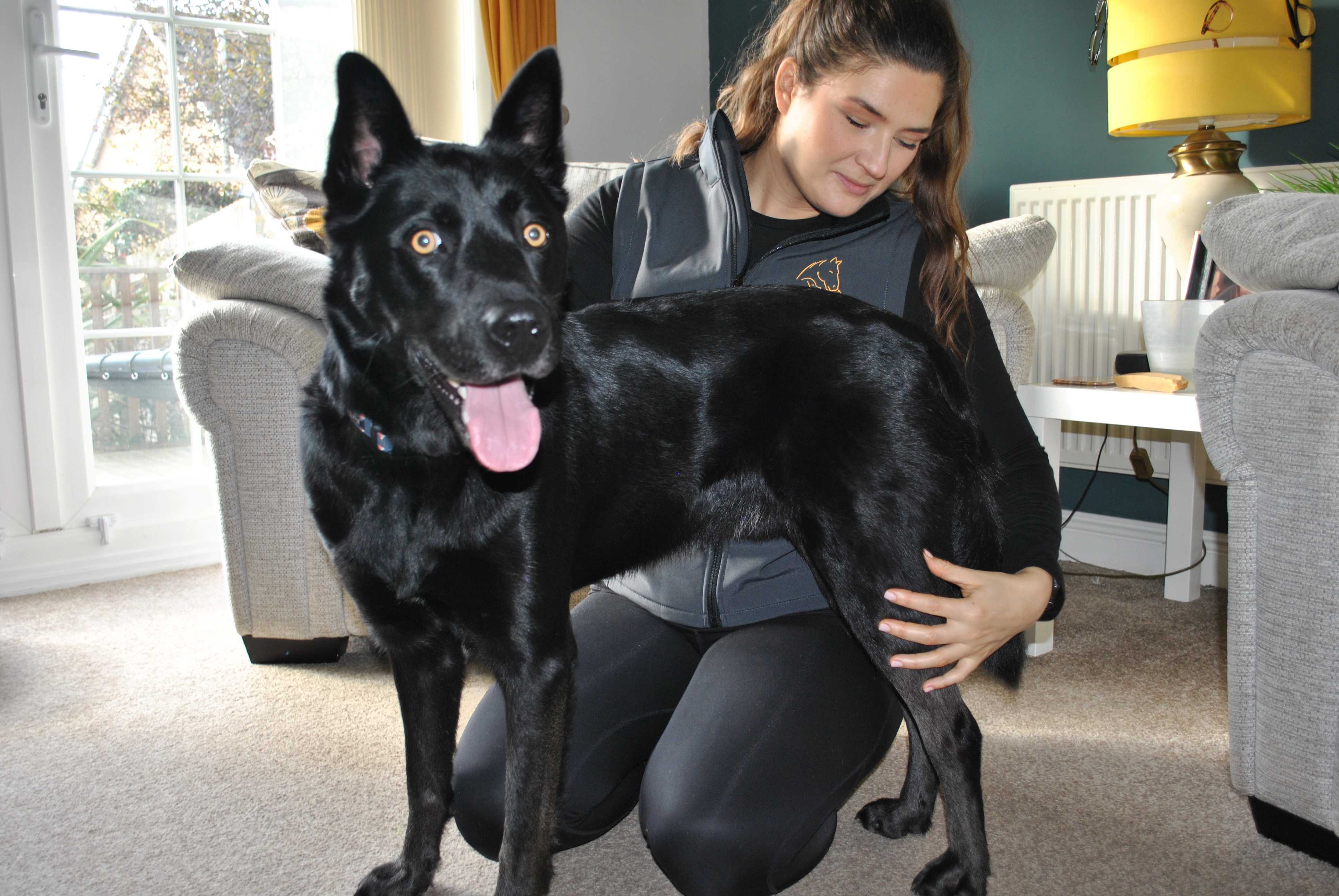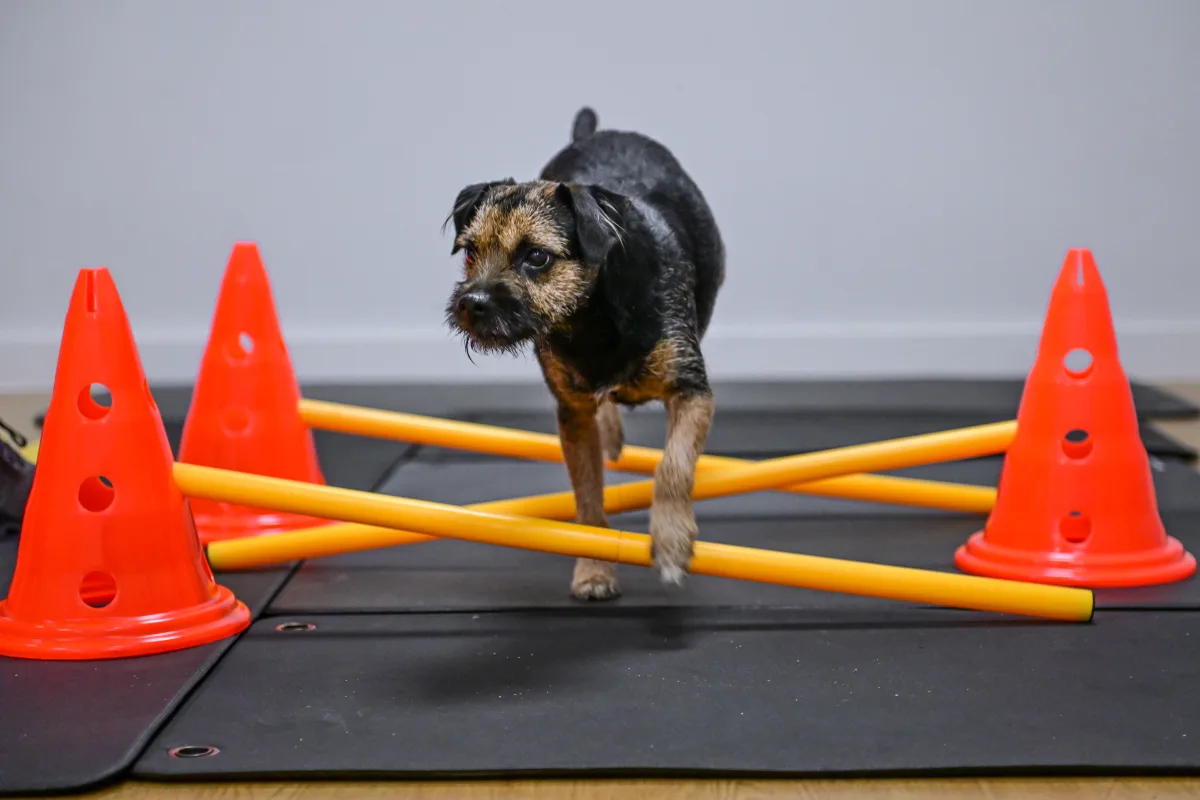

We’ve all been there. You’ve been through the training classes, tried the high-value treats, and stayed consistent with the advice. Yet you still find yourself saying:
“He’s just being stubborn today.” “She knows exactly what I’m asking — she’s just choosing to ignore me.” “He’s suddenly become so reactive on walks for no reason.”
When your dog stops responding or starts acting out, it’s easy to feel like a failure — or to think your dog is simply being difficult. But as a Veterinary Physiotherapist, I want to offer a different perspective: what looks like “naughty” behaviour is often a cry for help.
Key Takeaway
Chronic pain doesn't just hurt — it changes how a dog's brain works. A dog in pain isn't choosing to ignore you. They are genuinely struggling to cope, and that struggle shows up in behaviour long before it shows up in a limp.
It’s Not a Choice — It’s a Whole-Brain Experience
Chronic pain isn’t just a sore joint. It changes the way a dog’s brain works through a process called neuroplasticity — the brain’s ability to rewire itself. Constant discomfort actually changes how your dog experiences the world.
1. The Broken Fire Alarm (Central Sensitisation)
When a dog is in pain for a long time, their nervous system goes on high alert. It starts amplifying signals to protect the body from further harm. The result: your dog’s “fire alarm” is set too high.
They may become sensitive to loud noises, flinch when touched, or back away from their harness. It isn’t attitude — it’s a nervous system that has learned to treat everything as a potential threat.
2. The Loss of Emotional Brakes
Pain puts pressure on the amygdala — the part of the brain that handles fear and alarm. At the same time, it weakens the connection to the prefrontal cortex, the part that handles thinking and calming down.
The result: your dog loses their ability to deescalate after a trigger. This is why you might see sudden reactivity toward other dogs, clinginess, growling when resting, or a dog who stays in a heightened state long after the trigger has passed. Their emotional “brakes” simply aren’t working.
3. Brain Fog and Fatigue
Imagine trying to learn a new language while you have a splitting migraine. Pain consumes mental energy. The result: your dog struggles to follow cues they used to know. They appear distracted or stubborn — but they are mentally exhausted from coping with discomfort.
The Invisible Signs of Pain
If your dog isn’t limping, it doesn’t mean they aren’t in pain. Look for these behavioural red flags instead:
- Aversion to being touched or groomed
- Harness or collar avoidance — backing away or hiding when you bring it out
- Selective hearing or “forgetting” previously learned behaviours
- Sudden reactivity to noises, people, or other dogs
- Clinginess or refusing to settle in their bed
- Separation anxiety
If you’re seeing several of these, take our free wellness check — it takes 5 minutes and helps you identify which signs are most significant.
Finding the Answer Without the Stress of a Vet Visit
When you bring a reactive or painful dog to the vet, they often become so adrenaline-fueled that they mask their pain completely. They trot up fine because they are too stressed to show they are hurting. You leave with the same “he looks fine” answer — and the same unanswered questions.
This is why Elevate offers online gait analysis:
- Stress-free. No scary waiting rooms or car journeys.
- The honest picture. You record your dog at home, relaxed and being themselves.
- Specialist analysis. Elena analyses their movement frame-by-frame to find exactly where the pain is hiding — the tiny compensations that a 10-minute clinic visit will never catch.
The Path to a Happier Dog
Once we identify the physical cause, online physiotherapy provides a structured, supportive rehabilitation plan tailored to your dog’s specific needs.
Having you perform the therapy at home — guided by a specialist — is often far more effective for a nervous or reactive dog than treatment by a stranger in a clinic. You’ll also gain long-term tools: the skills and knowledge to support your dog’s wellbeing for the rest of their life.
You don’t have to figure this out alone. By addressing the physical pain, we clear the path for behaviour to improve, training to take hold, and your bond with your dog to heal.
Start with an online gait analysis and let’s find out what your dog has been trying to tell you.
References
Engel, G. L. (1977). The need for a new medical model: a challenge for biomedicine. Science, 196(4286), 129–136.
Gatchel, R. J., et al. (2007). The biopsychosocial approach to chronic pain. Psychological Bulletin, 133(4), 581–624.
Gonçalves, L., et al. (2008). Neuropathic pain is associated with depressive behaviour and neuroplasticity in the amygdala of the rat. Experimental Neurology, 213(1), 48–56.
Jaffal, S. M. (2025). Neuroplasticity in chronic pain: insights into diagnosis and treatment. The Korean Journal of Pain, 38(2), 89–102.
Latremolière, A., & Woolf, C. J. (2009). Central sensitization: a generator of pain hypersensitivity by central neural plasticity. The Journal of Pain, 10(9), 895–926.
Mao, C. P., et al. (2021). Altered amygdala-prefrontal connectivity in chronic nonspecific low back pain. Neuroscience, 482(1), 18–29.
Mills, D. S., et al. (2020). Pain and problem behavior in cats and dogs. Animals, 10(2), 318.
Scholz, J. (2014). Mechanisms of chronic pain. Molecular Pain, 10(Suppl 1), O15.
Simons, L. E., et al. (2014). The responsive amygdala: treatment-induced alterations in functional connectivity in pediatric complex regional pain syndrome. Pain, 155(9), 1727–1742.